
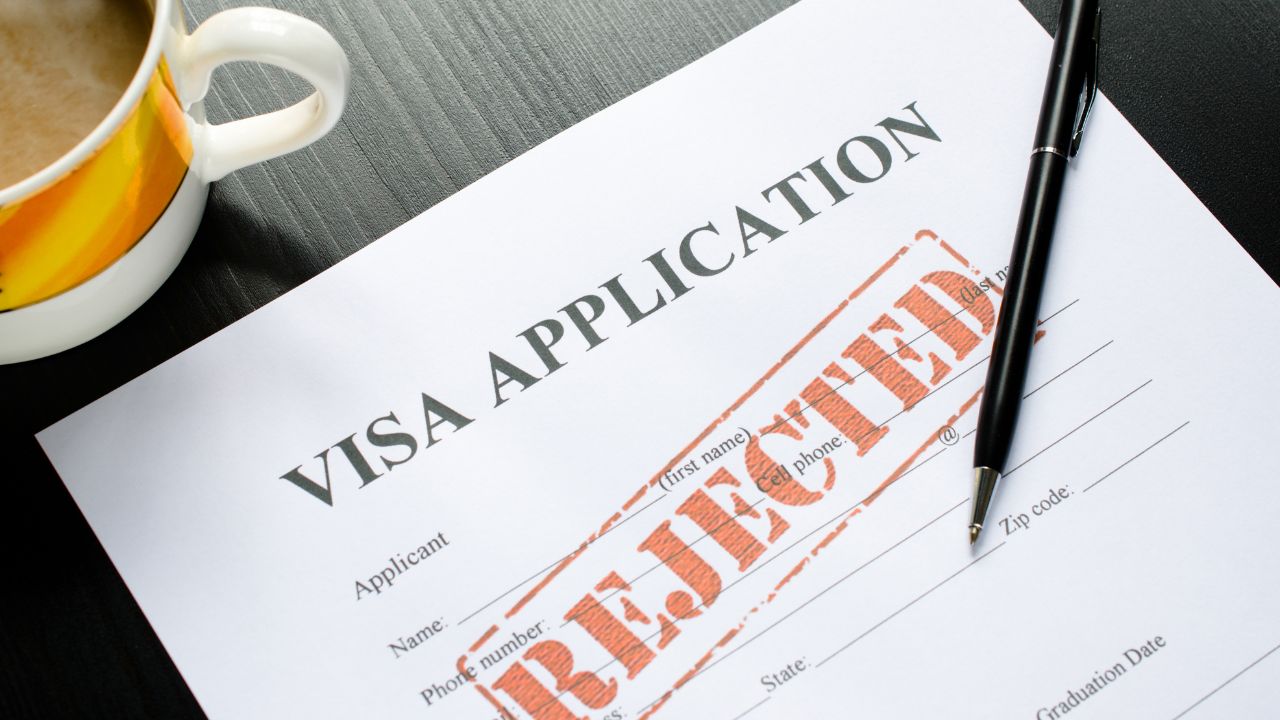
A Partner visa denial can feel deeply personal. For many couples, the decision affects where they can live, how they plan their future and whether they can continue building a life together in Australia. After gathering documents, paying the application fee and waiting for an outcome, a refusal letter can leave you with urgent questions and strict timeframes.
A denied Partner visa does not always mean the pathway is closed. Your options depend on the refusal reasons, whether review rights are available, your current visa status and whether the concerns raised by the Department of Home Affairs can be addressed.
In this guide, we explain what to check first, why Partner visas may be denied and what options may be available after a refusal.
What should you do first after a Partner visa denial?
Before deciding your next step, you need to understand exactly what has been refused and why. The refusal letter from the Department of Home Affairs is the starting point.
This letter should explain:
- Why the application was refused
- Which criteria were not met
- Whether the decision can be reviewed
- Who can apply for review
- The deadline for taking action
Read the deadline carefully. Review timeframes can be strict, and the Administrative Review Tribunal does not have the power to extend the time limit for lodging a review application. Do not rely on general timeframes or assume every refusal has the same deadline.
You should also check your current visa status, especially if you are in Australia. Use VEVO to confirm your visa details and conditions before making decisions about work, travel or another application. If you are unsure what to do if your Partner visa is denied, start by checking your refusal letter and current visa status.
This is particularly important if a permanent Partner visa has been refused. If a subclass 801 or subclass 100 permanent Partner visa is refused, the person no longer holds the temporary Partner visa. Your next step should be based on your actual visa position, not assumptions.
Why are Partner visas denied?
Partner visa applications are assessed against specific legal requirements. A refusal can happen for several reasons, and each case depends on its own facts.
Common Partner visa denial reasons may include:
- Insufficient evidence of a genuine and continuing relationship
- Inconsistent forms, statements, dates or travel records
- Missing or incomplete documents
- Health or character concerns
- Sponsor eligibility issues
- False or misleading information
- Previous visa rejections, visa cancellations or unlawful status
- Visa conditions, such as a “No Further Stay” condition
Relationship evidence is often a key issue across both Partner visa pathways. For onshore applications, this usually relates to the subclass 820 temporary Partner visa and the subclass 801 permanent stage. For offshore applications, it usually relates to the subclass 309 temporary Partner visa and the subclass 100 permanent stage.
The Department generally considers financial commitments, household arrangements, social recognition and the nature of the couple’s commitment. Photos and messages may support an application, but broader evidence is usually needed to show how the relationship works in daily life.
Understanding the refusal reason matters because it shapes the available options. A review or new application should respond directly to the concerns raised.
What are your options after a Partner visa denial?
The right option depends on the refusal letter, your location, your visa status and the evidence available. In some cases, there may be more than one pathway to consider.
Apply for review, if available
Some Partner visa denials may be reviewed by the Administrative Review Tribunal (ART), but not every decision can be reviewed. Your refusal letter should state whether review rights are available, who can apply and the deadline. For some offshore Partner visa denials, such as subclass 309 applications, the sponsor in Australia may be the person who applies for review. For onshore subclass 820 applications, the applicant may have review rights, depending on the circumstances.
If review is available, act quickly. Missing the deadline may remove the option to have the decision reviewed. The Partner visa appeal process should focus on the reasons for rejection and include evidence or submissions that address the Department’s concerns. Application fees may apply for a migration review, although exceptions or fee reduction options may be available.
Lodge a new Partner visa application
In some situations, lodging a new Partner visa application may be an option. This may be relevant where review rights are unavailable, the review deadline has passed or a fresh application is more suitable. However, applicants in Australia should first check whether they are eligible to lodge another application from within Australia.
A new application should address the original denial reasons. Submitting the same information again may lead to the same result. After a denied Australian Partner visa, a fresh application may need stronger and more current evidence. If the application was refused because of health, character, sponsor eligibility or previous visa history, those issues should be assessed before another application is lodged.
Consider other visa pathways
A Partner visa may still be the most relevant pathway for many couples, but other issues may need attention after a refusal. Depending on your circumstances, you may need to consider your bridging visa position, whether you can lawfully remain in Australia or whether another visa pathway is available.
In complex cases, judicial review may need to be considered. This is different from a merits review at the Tribunal because it generally focuses on whether there was a legal error in the decision-making process. Ministerial intervention may also arise in some migration matters, but it is discretionary and only relevant in limited circumstances. It should not be treated as a standard next step after a Partner visa denial.
Speak to Immigration Gurus about your Partner visa refusal
A Partner visa denial can be difficult to manage when deadlines, visa conditions and relationship evidence all need attention. At Immigration Gurus, we understand how stressful this stage can feel, especially when your future in Australia depends on the next decision you make.
We can review your refusal notice, explain your available pathways and help you prepare a response that addresses the Department’s concerns. Our registered migration agents can also assist with document preparation and communication with the Department of Home Affairs.
Speak with Immigration Gurus for clear, practical guidance on your Partner visa refusal and the options available to you.
Disclaimer: This guide provides general information only and is not migration or legal advice. Visa requirements, review rights, deadlines, fees and processes can change, and individual circumstances should be assessed before decisions are made.